

Industrial boilers operating under high-temperature conditions face a constant battle against the forces that shorten their working life. Thermal stress, corrosive deposits and accelerating wear are not inevitable: they are manageable, provided you understand what drives them and act on that understanding systematically. This article walks through the core mechanisms of boiler degradation, the maintenance strategies that counteract them and how to build a realistic long-term plan for extending boiler service life in demanding operating environments.
Whether you manage a waste-to-energy facility, a biomass plant or a conventional power generation unit, the principles covered here apply directly to your situation. Each section builds on the one before it, moving from root causes to practical decisions you can act on today.
What causes premature boiler degradation at high temperatures?
Premature degradation in industrial boilers is not a single event: it is the cumulative result of several interacting stress mechanisms that intensify under high-temperature operating conditions. Understanding these mechanisms is the foundation for everything that follows.
The most significant driver is thermal stress. When metal components repeatedly expand during heating and contract during cooling, microscopic fatigue develops in the material over time. This is especially pronounced in boilers that cycle frequently or operate with variable fuel inputs, because temperature fluctuations are more extreme and more frequent. Pressure tubes, membrane walls and superheater elements are particularly vulnerable.
A second major cause is high-temperature corrosion. At elevated flue gas temperatures, certain combustion by-products, particularly chlorides and sulfates present in waste and biomass fuels, become chemically aggressive. They attack metal surfaces directly, thinning tube walls and weakening structural integrity from the outside in. This process accelerates significantly above certain temperature thresholds, which is why fuel type matters so much to long-term boiler longevity.
Finally, erosion from particulate-laden flue gas removes material from heat transfer surfaces over time. In boilers burning heterogeneous fuels, the particle load in the flue gas can be substantial, and the abrasive effect compounds the damage already caused by corrosion and thermal fatigue. Together, these three mechanisms explain why boilers in high-temperature service age faster than their design life suggests, unless active countermeasures are in place.
How fouling and deposits accelerate wear over time
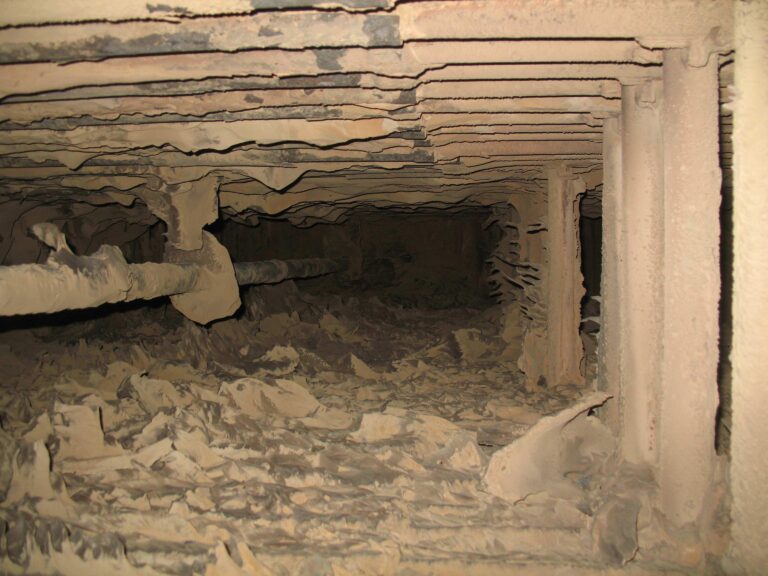
Building on the degradation mechanisms above, fouling introduces a fourth layer of damage that amplifies all three. Deposits that form on heat transfer surfaces do not just reduce efficiency: they actively accelerate the wear processes already underway.
When combustion residues accumulate on furnace walls and superheater tubes, they act as an insulating layer. Heat that should transfer into the steam cycle instead stays in the flue gas, raising local gas temperatures. This pushes metal surfaces beyond their design operating range, intensifying both thermal stress and high-temperature corrosion simultaneously.
The furnace alone accounts for roughly 50% of total heat transfer in a boiler. Heavy slagging on furnace walls therefore has a disproportionate impact on overall steam generator efficiency. As deposits thicken, the boiler must work harder to maintain output, which increases fuel consumption and places additional mechanical load on components already under stress.
There is also a physical risk that is easy to underestimate: large clinker formations that build up on furnace walls can detach suddenly when they reach a critical mass. When they fall, they can cause direct mechanical damage to the hopper area below. This kind of event is not just a maintenance problem: it can force an unplanned shutdown and create safety hazards for personnel.
The practical implication is straightforward: deposit control is not a housekeeping task: it is a wear-reduction strategy. Keeping surfaces clean limits the secondary damage that fouling causes, which is why cleaning system design and frequency are so closely tied to boiler service life.
Key maintenance strategies that protect boiler components
With the root causes established, the next step is translating that understanding into concrete maintenance practices. Protecting boiler components under high-temperature conditions requires a combination of scheduled inspection, condition-based intervention and material management.
Regular inspection of high-stress zones
Not all boiler components wear at the same rate. Superheater and reheater sections operate at the highest flue gas temperatures and are therefore the first areas where corrosion and erosion become visible. Prioritising inspection resources on these zones, rather than applying uniform inspection intervals across the entire boiler, allows you to catch problems before they become failures.
Tube thickness monitoring
Ultrasonic thickness measurement of pressure tubes gives you a direct, quantitative picture of how fast material is being lost. Tracking this data over time reveals whether wear rates are stable or accelerating, which is far more useful than a single snapshot measurement. An accelerating wear rate is a signal that something in the operating environment has changed (fuel composition, cleaning frequency or combustion conditions) and needs investigation.
Controlled operating parameters
Maintaining stable combustion conditions reduces thermal cycling and limits the formation of corrosive compounds in the flue gas. Where fuel quality varies, as it commonly does in waste-to-energy and biomass applications, adjusting combustion air and temperature setpoints in response to fuel changes helps keep stress levels within design limits. This is not always straightforward in practice, but even partial control over operating variability extends component life meaningfully.
Why cleaning frequency and method selection matter
Knowing that deposits cause damage is one thing. Knowing how often to clean and which method to use is where that knowledge becomes operational. These two decisions have a larger impact on boiler service life than most operators initially expect.
Cleaning too infrequently allows deposits to harden and bond to surfaces, making them harder to remove and increasing the risk of the sudden detachment events described earlier. Cleaning too frequently, on the other hand, introduces unnecessary mechanical and thermal stress from the cleaning process itself, particularly when steam or water is used as the cleaning medium at high pressure.
The right frequency depends on the actual deposit situation, not on a fixed calendar schedule. This is the core principle behind demand-driven cleaning: cleaning is triggered by the real condition of the boiler surfaces rather than by elapsed time. Sensors and diagnostic systems that monitor heat transfer performance in real time make this approach practical, allowing cleaning to happen when it is needed and not before.
Method selection is equally important. Different zones of a boiler require different approaches:
- Furnace walls with heavy slagging typically require water-based cleaning, which delivers higher impact energy than steam and can remove bonded deposits that steam cannot dislodge.
- Superheater and reheater sections are commonly cleaned with retractable sootblowers using steam or air, which can reach deep into the flue gas path without requiring the boiler to go offline.
- Economiser sections with lighter, looser deposits may be effectively managed with rotating element sootblowers or rapping systems, which are gentler and impose less stress on the surfaces being cleaned.
Matching the cleaning method to the deposit type and location avoids both under-cleaning and unnecessary mechanical stress, both of which shorten boiler service life in different ways.
How to build a long-term boiler life extension plan
The strategies covered in the previous sections are most effective when they are integrated into a coherent, forward-looking plan rather than applied reactively. A long-term boiler life extension plan connects inspection data, cleaning decisions and operational parameters into a single framework that evolves as your plant’s conditions change.
Start with a baseline assessment. Document the current condition of all major components, the cleaning systems in place and the actual deposit patterns observed during the last maintenance window. This gives you a reference point against which future changes can be measured.
From there, define the key performance indicators you will track over time. Useful metrics include heat transfer efficiency per boiler zone, tube wall thickness trends in high-wear areas and the frequency of unplanned interventions caused by deposit-related events. These numbers tell you whether your maintenance approach is working or whether adjustments are needed.
Build flexibility into the plan from the start. Fuel compositions in waste-to-energy and biomass plants change over time as supply chains shift and regulatory requirements evolve. A cleaning and maintenance strategy that was optimised for one fuel mix may underperform when that mix changes. Reviewing and updating the plan annually, or whenever a significant fuel change occurs, keeps it aligned with actual operating conditions.
Finally, invest in the knowledge base of your maintenance team. Equipment operating under extreme conditions (high temperatures, pressure cycles, thermal stress) requires people who understand not just how to operate it but why it behaves the way it does. Training that connects the underlying physics of boiler degradation to the practical decisions your team makes every day pays dividends in fewer surprises and better-informed responses when problems do arise.
How Clyde Bergemann supports long-term boiler performance
We have been developing on-load boiler cleaning solutions for more than 60 years, working directly with operators in power generation, waste-to-energy and biomass to address the exact challenges described in this article. Our approach combines the right cleaning technology for each boiler zone with controls and diagnostics that make demand-driven cleaning practical rather than theoretical.
- Zone-specific cleaning systems covering furnace, superheater, reheater, economiser and air preheater, matched to deposit type, flue gas temperature and travel distance requirements
- SMART Clean, our demand-driven cleaning philosophy that triggers cleaning based on actual deposit conditions rather than fixed schedules, reducing unnecessary stress on components while keeping surfaces clean
- Controls and diagnostics that integrate with your existing plant systems to monitor heat transfer performance in real time and support data-driven maintenance decisions
- Spare parts and service support tailored to individual plant requirements, including inspection, maintenance and employee training delivered by our own engineers
- Flexible operation capability for plants handling varying fuel mixtures or changing fuel quality, a growing requirement in waste-to-energy and biomass applications
If you are reviewing your current cleaning setup or building a case for a system upgrade, our boiler efficiency solutions provide a practical starting point for understanding what is available and what fits your specific operating conditions. To discuss your plant’s situation with one of our engineers, you are welcome to get in touch.
Related Articles
- What are the main types of sootblowers used in industrial boilers?
- Why is continuous boiler cleaning critical in waste-to-energy plants?
- What are the most effective methods for on-load boiler cleaning?
- How does fuel type affect boiler fouling and deposit formation?
- What happens if an industrial boiler runs without an online cleaning system?