

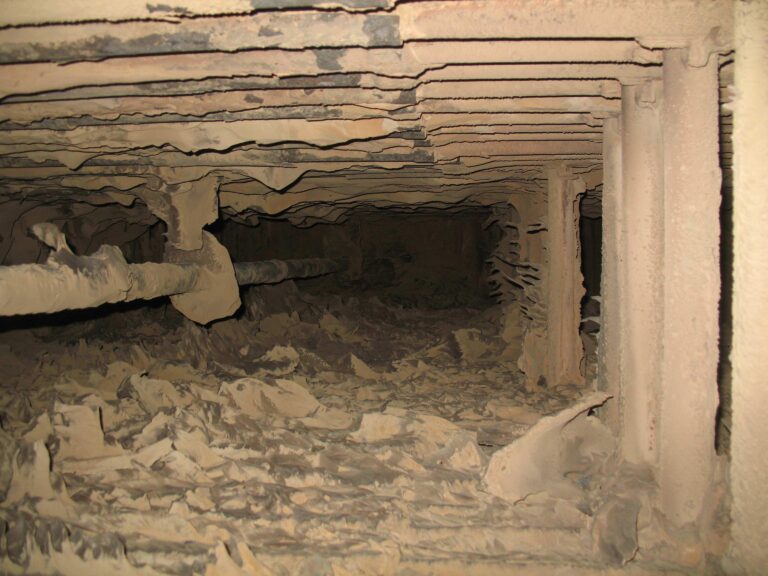
Boiler operators can reduce cleaning-related maintenance by shifting from fixed-interval cleaning schedules to demand-driven, automated systems that respond to actual deposit conditions. This approach cuts unnecessary interventions, prevents the buildup that causes unplanned shutdowns and reduces the wear on both equipment and personnel. The sections below address the specific questions that drive this shift in practice.
What causes cleaning-related maintenance to become so costly?
Cleaning-related maintenance becomes costly when deposit buildup goes undetected or is addressed too late, forcing reactive rather than preventive action. In industrial boiler systems, fouling on heat transfer surfaces reduces thermal efficiency, accelerates corrosion and eventually causes unplanned shutdowns, each of which carries direct financial consequences in lost output, emergency labour and component replacement.
The furnace alone accounts for approximately 50% of total heat transfer in a boiler. When slagging builds up on furnace walls, steam generator efficiency drops measurably. If clinker formations grow large enough to break free, they can damage the hopper area below. Corrosion on heat transfer surfaces compounds the problem by shortening component service life and increasing the frequency of inspections and part replacements.
A further cost driver is the mismatch between cleaning schedules and actual deposit conditions. Many plants still operate on fixed cleaning intervals set during commissioning, often based on conservative assumptions rather than real operating data. This means some areas are cleaned more often than necessary, wasting cleaning medium and adding mechanical stress, while others accumulate deposits between cycles. Both outcomes increase total maintenance effort over time.
What types of boiler cleaning systems are available?
Boiler cleaning systems fall into two broad categories based on cleaning medium: steam or air-based systems and water-based systems. Within each category, different product types are suited to different boiler zones, deposit types and plant sizes. The right combination depends on where deposits form, how severe they are and what fuel the plant burns.
Steam and air-based cleaning
Sootblowers using steam or air are the conventional solution for superheaters, reheaters, economisers and air preheaters. Retractable sootblowers are commonly used for travel distances up to 10 metres and can handle flue gas temperatures up to 1,400°C. Rake sootblowers and oscillating sootblowers serve similar zones with different geometries. Wall blowers using steam are the standard approach for membrane wall surfaces in the furnace area.
Water-based cleaning
Water-based systems are used where deposits are heavier or where steam cleaning is insufficient. Wall blowers using water remove severe slagging from furnace walls. More advanced systems use a precisely controlled water jet that moves in a meander-shaped pattern across the side and opposite wall, delivering targeted cleaning to specific deposit zones. Shower cleaning systems mounted on the boiler roof use an inverted umbrella or multi-jet nozzle that sprays water in a continuous 360-degree pattern as it descends into the furnace and empty passes, a design particularly suited to larger incinerators in Waste-to-Energy and biomass plants.
Rapping systems
For zones where neither steam nor water is practical, rapping systems provide mechanical cleaning without any cleaning medium. These are used selectively in superheater and economiser sections where deposit characteristics allow it.
How does automated cleaning reduce unplanned downtime?
Automated cleaning reduces unplanned downtime by responding to actual deposit conditions rather than waiting for a fixed schedule or a visible problem. Demand-driven systems monitor the state of heat transfer surfaces and trigger cleaning only when and where it is needed, preventing deposits from reaching the threshold where they cause efficiency loss or structural damage.
The practical difference is significant. A fixed cleaning schedule cannot account for variations in fuel quality, combustion conditions or seasonal load changes, all of which affect how quickly deposits form. An automated system adjusts in real time, which means heavy fouling periods receive more frequent cleaning while low-fouling periods require less intervention. This reduces both the total number of cleaning cycles and the risk of a deposit-driven shutdown.
Automation also removes the dependency on manual observation and operator judgment for timing. In large plants with multiple boiler zones, consistent manual monitoring is difficult to sustain. Automated controls ensure that no zone is overlooked and that cleaning actions are logged, making it easier to identify patterns and optimise the system further over time.
What maintenance tasks can be eliminated with the right cleaning system?
The right cleaning system can eliminate several recurring maintenance tasks that are typically accepted as unavoidable: manual deposit inspections during operation, emergency cleaning interventions after efficiency drops and forced outages caused by clinker formation or severe slagging. Each of these tasks consumes labour, time and in some cases requires partial plant shutdown.
When cleaning is demand-driven and automated, operators no longer need to schedule manual checks to assess deposit levels in the furnace or empty passes. The system provides this information continuously. Emergency cleaning interventions, which often require mobilising personnel outside normal working hours, are reduced because deposits are addressed before they reach a critical level.
Clinker-related damage to the hopper area is another maintenance burden that targeted furnace cleaning can prevent. Large clinker formations that break free and fall cause physical damage that requires inspection, repair and sometimes extended downtime. Consistent, well-timed cleaning keeps deposits from reaching the size where this becomes a risk.
When should a boiler operator consider upgrading their cleaning system?
A boiler operator should consider upgrading their cleaning system when the current setup consistently fails to prevent efficiency losses, when unplanned shutdowns related to fouling occur more than once per operating cycle or when the plant has switched to a different fuel type that the existing system was not designed for.
Many plants are running cleaning systems that were selected during construction based on lowest upfront cost rather than long-term performance. These systems may have been adequate for original operating conditions but become insufficient as fuel quality varies, load profiles change or regulatory pressure on emissions increases. If operators are compensating for a weak cleaning system by increasing manual interventions or accepting reduced output, that is a clear signal that the system is no longer fit for purpose.
An upgrade is also worth evaluating when spare parts for the existing system become difficult to source or when the system requires disproportionate maintenance attention relative to its contribution. The business case for upgrading should weigh the cost of the new system against the measurable losses from current inefficiency, including fuel consumption, output reduction and labour for reactive maintenance.
How do fuel type and combustion conditions affect cleaning requirements?
Fuel type and combustion conditions directly determine how quickly deposits form, what composition they have and how difficult they are to remove. Different fuels produce different ash chemistries, which means a cleaning system optimised for one fuel may be inadequate when the plant switches to another.
In Waste-to-Energy plants, the heterogeneous nature of municipal solid waste creates highly variable combustion conditions. Deposits in the furnace and empty passes tend to be unevenly distributed and can be chemically aggressive, accelerating corrosion on heat transfer surfaces. This variability makes demand-driven cleaning particularly relevant, since fixed-interval systems cannot adapt to the fluctuating deposit load.
Biomass plants face similar challenges. The ash from biomass fuels, particularly agricultural residues, can be sticky and prone to forming hard deposits at relatively low temperatures. This behaviour differs significantly from coal ash and requires cleaning systems capable of handling heavier fouling without damaging the membrane wall surfaces.
In regions where coal is being phased out and plants are co-firing or transitioning to biomass or waste-derived fuels, the cleaning system must be reassessed as part of the fuel transition. A system designed for coal combustion may not deliver adequate cleaning frequency or coverage for the new deposit profile. Operators who do not account for this often see a step change in fouling-related maintenance costs shortly after the fuel switch.
How Clyde Bergemann supports boiler operators with cleaning solutions
We work with maintenance managers and technical teams across power generation, Waste-to-Energy and biomass plants to match cleaning technology to the actual conditions in their boilers. Our approach starts with the deposit situation, not a standard product recommendation.
- Our boiler efficiency solutions cover every zone of the boiler, from furnace walls to economisers and air preheaters, using steam, air or water as the cleaning medium depending on deposit type and severity
- We offer demand-driven cleaning platforms that respond to actual fouling conditions rather than fixed schedules, reducing unnecessary cleaning cycles and preventing deposit-driven shutdowns
- Our water-based furnace cleaning systems use precisely controlled jet patterns to reach deposits that steam-based systems cannot address effectively, particularly in larger Waste-to-Energy and biomass incinerators
- We provide spare parts, maintenance support and on-site surveys tailored to the specific equipment installed, with service coverage across more than 130 countries
- For plants transitioning to new fuel types, we assess the impact on deposit behaviour and recommend cleaning system adjustments before efficiency losses occur
If you are evaluating whether your current cleaning setup is still suited to your operating conditions, get in touch and we can discuss what a more targeted approach would look like for your plant.
Related Articles
- 7 sootblower maintenance mistakes that shorten equipment service life
- How can boiler deposits affect plant performance?
- Why is continuous boiler cleaning critical in waste-to-energy plants?
- How does slagging in waste-to-energy boilers affect plant availability?
- 5 signs your boiler's cleaning system is no longer keeping up