

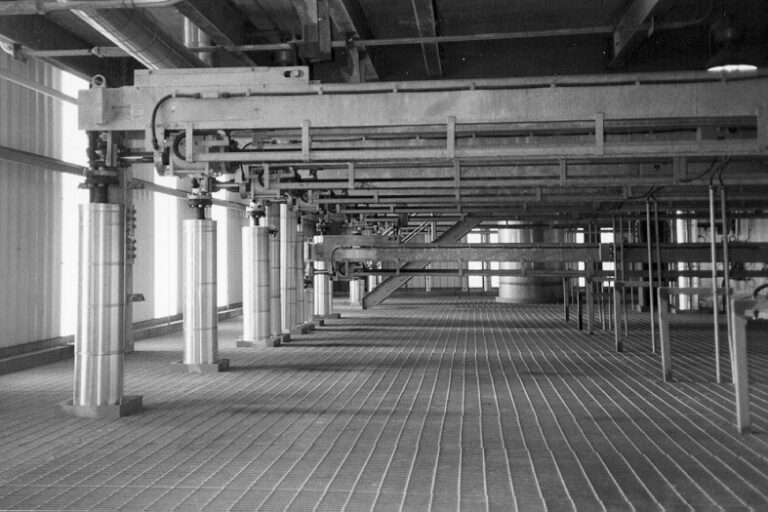
Sootblowers operate under some of the harshest conditions in any industrial plant: extreme temperatures, pressure cycles, corrosive flue gases and continuous mechanical stress. When maintenance routines fall short, the consequences go beyond a worn component. Reduced heat transfer efficiency, unplanned shutdowns and accelerated equipment degradation follow quickly. The good news is that most sootblower reliability problems trace back to a small set of avoidable mistakes. Understanding them is the first step toward protecting your equipment investment and keeping your boiler running at full capacity.
How maintenance errors cut sootblower lifespan short
Sootblower maintenance mistakes rarely announce themselves immediately. Instead, they accumulate quietly (a misaligned lance here, a worn packing gland there) until a failure forces an unplanned outage. The seven mistakes below represent the most common patterns seen across power generation, Waste-to-Energy and biomass facilities. Each one is preventable with the right procedures in place.
Mistake 1: Ignoring lance tube alignment during reinstallation
Lance tube misalignment is one of the most damaging errors in sootblower maintenance, yet it frequently goes undetected until visible wear appears. When a lance tube is reinstalled even slightly off-axis, it creates uneven mechanical stress during every travel cycle. Over time, this causes accelerated wear on the drive mechanism, tube supports and nozzle assembly.
Misalignment also affects cleaning performance directly. A lance that does not travel along its correct path delivers the cleaning medium, whether steam, air or water, to the wrong position on the heating surface. Deposits build up in areas that should be cleaned, reducing heat transfer efficiency and increasing the risk of corrosion beneath the fouling layer.
Always verify alignment against the original installation specifications after any removal and reinstallation. Use the manufacturer’s alignment tools and reference points rather than visual estimation. This step takes minutes but prevents failures that take days to repair.
Mistake 2: Using incorrect steam pressure settings
Steam pressure is not a set-and-forget parameter. Running a sootblower at pressure levels outside the design specification, whether too high or too low, causes problems in both directions. Excessive pressure accelerates erosion of nozzles and lance tube walls, shortening component life significantly. It can also damage heating surfaces, particularly in superheater and reheater zones where tube walls are already operating near their thermal limits.
Insufficient pressure, on the other hand, means the cleaning medium does not reach the deposit with enough force to dislodge it. Fouling accumulates faster than the cleaning cycle can manage, leading to progressive efficiency loss and eventually to the kind of hard, sintered deposits that require far more aggressive intervention to remove.
Check pressure settings against the design parameters for each specific sootblower position in your boiler. Pressure requirements vary between furnace wall blowers, retractable sootblowers in the superheater zone and rotating element sootblowers in the economiser. A single pressure setting across all zones is rarely correct.
Mistake 3: Skipping packing gland inspections
The packing gland seals the lance tube where it enters the boiler casing, preventing hot flue gas from escaping and protecting the drive mechanism from heat exposure. When packing glands are not inspected regularly, they wear down gradually and begin to leak. The result is a slow but steady increase in heat exposure to components that are not designed to operate at flue gas temperatures.
Beyond component damage, a leaking packing gland creates a safety concern and can trigger regulatory issues at facilities subject to emissions monitoring. In Waste-to-Energy and biomass plants, where flue gas composition can be particularly aggressive, packing gland degradation tends to accelerate faster than in conventional coal-fired applications.
Include packing gland condition in every scheduled inspection. Look for signs of leakage, hardening or deformation. Replace packing material before it reaches the point of failure rather than waiting for visible leaks to appear.
Mistake 4: What happens when lubrication schedules slip?
Sootblower drive mechanisms, gearboxes, carriage assemblies and feed screws, depend on consistent lubrication to function correctly under load. When lubrication intervals are extended or skipped entirely, friction increases across all moving parts. The immediate effect is higher energy consumption and increased mechanical noise. The longer-term effect is accelerated wear that shortens the service life of components that are expensive and sometimes difficult to source quickly.
In high-temperature environments, lubricants also degrade faster than their nominal service intervals suggest. A lubrication schedule designed for a standard industrial environment may be inadequate for a sootblower operating near a furnace zone. Use lubricants specified for the actual operating temperature range and adjust intervals accordingly.
Document lubrication activities in your maintenance log. When a component fails prematurely, the maintenance history often reveals that lubrication was the variable that changed first.
Mistake 5: Delaying nozzle replacement past wear thresholds
Nozzles are wear parts, and they have a finite service life. As nozzle orifices erode, the cleaning medium flow pattern changes. Steam or water jets that were originally designed to deliver a precise, high-velocity impact on the deposit surface become diffuse and lose effectiveness. The sootblower continues to operate, but its cleaning performance degrades steadily.
The practical consequence is that fouling builds up faster than the cleaning cycle can manage. Operators may respond by increasing cleaning frequency or pressure, which accelerates wear on other components without addressing the root cause. By the time the nozzle is finally replaced, the boiler may already be carrying a significant efficiency penalty from accumulated deposits.
Establish a nozzle replacement interval based on operating hours and the specific conditions in each boiler zone. Inspect nozzles during planned outages and replace them proactively when wear measurements approach the threshold, not after performance has already declined.
Mistake 6: Overlooking travel speed and stroke cycle settings
Travel speed and stroke cycle length determine how long the cleaning medium contacts each section of the heating surface during a cleaning pass. If travel speed is set too high, the lance moves through the boiler too quickly and the cleaning medium does not dwell long enough to dislodge deposits effectively. If it is set too low, the cleaning medium can cause erosion or thermal shock on heating surfaces that are exposed for too long.
Stroke cycle settings also affect how frequently each section of the boiler is cleaned. In facilities running flexible fuel mixes, a common situation in biomass and Waste-to-Energy plants, deposit formation rates vary with fuel composition and combustion conditions. A fixed stroke cycle calibrated for one fuel type may be inadequate or excessive when the fuel mix changes.
Review travel speed and stroke cycle settings whenever there is a significant change in fuel type, boiler load profile or observed deposit patterns. These parameters should be treated as operational variables, not permanent configuration values.
Mistake 7: Relying on reactive rather than scheduled maintenance
Reactive maintenance, waiting for a component to fail before replacing it, is the most expensive approach to sootblower upkeep. In a boiler environment, failures rarely happen at convenient times. A drive mechanism that fails mid-cycle can leave a lance tube partially extended in the flue gas path, creating an immediate operational problem and potential damage to the lance itself and surrounding heating surfaces.
Beyond the direct repair cost, reactive maintenance means unplanned downtime. For a Waste-to-Energy or power generation facility, every hour of unplanned standstill carries a financial cost that far exceeds the price of the component that failed. Spare parts availability becomes a critical issue when a failure is unexpected: lead times for specialist components can extend outages significantly.
A structured, scheduled maintenance programme with defined inspection intervals, documented component histories and proactive spare parts management is consistently more cost-effective than reactive repair. It also gives maintenance teams the information they need to identify deteriorating components before they cause a shutdown.
Build a maintenance strategy that protects your investment
The seven mistakes above share a common thread: they are all the result of treating sootblower maintenance as a low-priority task rather than a structured programme. Boiler cleaning systems operate continuously under extreme conditions, and their performance directly affects the efficiency and availability of the entire plant. A maintenance strategy that addresses alignment, pressure settings, sealing integrity, lubrication, nozzle condition, cycle parameters and inspection scheduling will consistently outperform one built around reactive repair.
Start by auditing your current maintenance records against each of the seven areas above. Identify where gaps exist and prioritise the highest-risk items first. Document your findings and use them to build a maintenance schedule that reflects the actual operating conditions in your plant, not a generic template.
How Clyde Bergemann supports your sootblower maintenance programme
We work with maintenance teams and technical decision-makers across power generation, Waste-to-Energy and biomass facilities to help them get more from their boiler cleaning systems. Our approach is grounded in more than 60 years of experience in boiler cleaning solutions and a detailed understanding of what drives equipment wear in real operating environments.
- Engineering consultation: We assess your specific boiler configuration, fuel type and deposit patterns to identify where your current maintenance approach may be leaving performance on the table.
- SMART Clean diagnostics: Our demand-driven cleaning philosophy uses real-time deposit data to determine when, where and how frequently cleaning occurs, reducing unnecessary wear on sootblower components while keeping heating surfaces clean.
- Spare parts and service support: We provide access to genuine spare parts and field service support to help you maintain inspection intervals and replace wear components before they cause unplanned outages.
- Training: Our own experts train your maintenance team on correct reinstallation procedures, pressure settings, lubrication intervals and inspection criteria, the practical knowledge that prevents the mistakes described in this article.
Our full range of Clyde Bergemann boiler efficiency solutions is designed to support long-term plant reliability rather than short-term fixes. If you want to review your current maintenance programme or discuss a specific challenge in your facility, get in touch and we will connect you with an engineer who knows your application.
Related Articles
- How can boiler operators reduce cleaning-related maintenance?
- What to look for when evaluating boiler cleaning systems for industrial plants
- How often should industrial boiler cleaning systems be serviced?
- How does boiler cleaning reduce fuel consumption and emissions?
- What causes fouling in industrial boilers?