

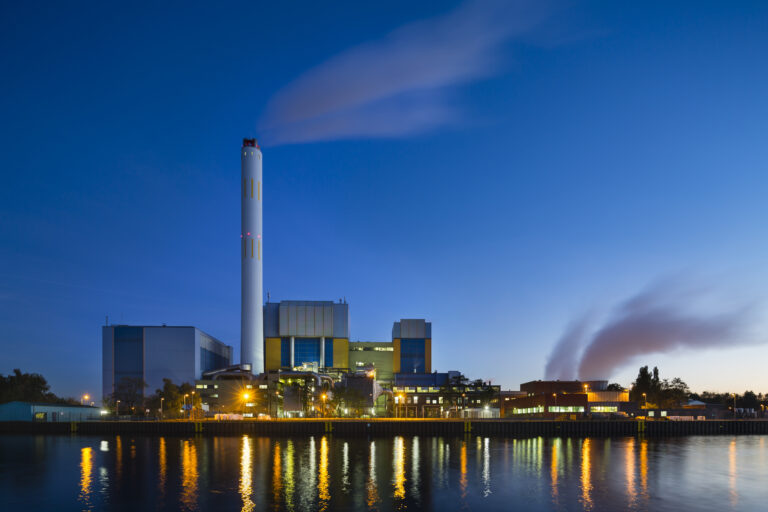
Unplanned downtime in waste-to-energy plants is not just an operational inconvenience. Every hour a boiler goes offline unexpectedly translates into lost throughput, emergency repair costs, and mounting pressure on plant operators to explain the gap in performance. For maintenance managers and technical decision-makers working in WtE facilities, understanding the root causes of these shutdowns is the first step toward preventing them. The following five causes account for the majority of unplanned downtime events in waste-to-energy plants and deserve close attention in any reliability strategy.
How downtime drains waste-to-energy plant performance
Waste-to-energy plants operate under some of the most demanding combustion conditions in the power sector. Municipal solid waste is a highly variable fuel, with fluctuating moisture content, calorific value, and chemical composition. This variability places constant stress on boiler components and creates conditions where deposit formation, corrosion, and mechanical wear accelerate faster than in conventional fossil fuel plants. The result is a higher baseline risk of unplanned downtime compared to more stable fuel environments.
Plant reliability in WtE operations depends on managing several interconnected failure modes simultaneously. A problem in the furnace can trigger a cascade that affects heat transfer surfaces, ash handling systems, and flue gas treatment equipment. Recognising how each cause develops and interacts with others gives maintenance teams the insight they need to prioritise interventions before a forced shutdown occurs.
1: Fireside fouling and deposit buildup on heat surfaces
Fireside fouling is one of the most persistent causes of unplanned downtime in waste-to-energy plants. As combustion gases travel through the boiler, fly ash particles, alkali compounds, and chlorine-rich residues from the waste stream deposit on superheater tubes, economisers, and convective heating surfaces. Over time, these deposits act as an insulating layer that reduces heat transfer efficiency and forces the plant to work harder to maintain steam output.
The distribution of deposits is rarely uniform. Factors such as gas flow velocity, local temperature gradients, and fuel composition all influence where fouling accumulates most aggressively. This inhomogeneous pattern makes it difficult to predict exactly where problems will develop, and it means that cleaning intervals based on fixed schedules rather than actual deposit conditions often miss the areas that need attention most.
Left unaddressed, boiler fouling in WtE plants leads to a measurable drop in boiler efficiency, higher flue gas outlet temperatures, and, eventually, tube overheating that can cause tube failures requiring emergency shutdown. For plants processing variable waste streams, the risk is compounded because the chemical composition of deposits changes with the fuel, making some layers particularly adhesive and difficult to remove once they harden.
2: Slagging in the combustion chamber
Slagging in the combustion chamber is a distinct and particularly damaging form of deposit buildup that targets the furnace walls directly. The furnace accounts for approximately 50% of total heat transfer in a boiler, making it the single most important zone for maintaining thermal performance. When heavy slag deposits form on membrane wall heating surfaces, the consequences extend well beyond reduced efficiency.
As slag layers grow, they can reach a size where they detach suddenly and fall into the hopper area below. These clinker formations cause physical damage to the hopper structure and can block ash removal pathways, creating secondary operational problems that compound the original fouling issue. The high temperatures and variable fuel types typical of WtE combustion make slagging a near-constant risk rather than an occasional event.
Boiler slagging in WtE plants also accelerates corrosion on heat transfer surfaces. The chemical interaction between molten slag and tube materials degrades protective oxide layers, leaving the underlying metal exposed to further attack. Maintenance teams that treat slagging as a cosmetic issue rather than a structural threat often find themselves dealing with tube failures that could have been avoided with earlier intervention.
3: Corrosion of boiler tubes and pressure parts
Corrosion is a leading cause of tube failures and forced outages in waste-to-energy boilers. The waste stream contains chlorine compounds, sulphur, and heavy metals that, when combusted, produce aggressive flue gases capable of attacking tube materials at elevated temperatures. High-temperature chlorine corrosion is particularly severe in the superheater region, where tube surface temperatures are highest and the chemical environment is most reactive.
Deposit layers on tube surfaces create a localised environment that intensifies corrosion. Beneath a slag or fouling layer, temperatures and chemical concentrations differ significantly from the surrounding flue gas, and this microenvironment accelerates metal loss. In plants where cleaning is infrequent or poorly targeted, corrosion damage can develop undetected until a tube fails during operation.
Pressure part corrosion is not limited to the high-temperature zones. Dew point corrosion in the economiser and air preheater regions affects plants that operate with flue gas temperatures below the acid dew point, particularly during load changes or startup and shutdown cycles. Managing corrosion across all temperature zones requires a combination of material selection, operational discipline, and consistent deposit control.
4: What happens when grate and ash systems fail?
Grate and ash handling system failures are a frequent but sometimes underestimated source of unplanned downtime in WtE plants. The grate is the mechanical heart of the combustion process, moving waste through the furnace and controlling burnout quality. When grate components wear, seize, or suffer thermal damage, combustion becomes uneven, leading to incomplete burnout, increased bottom ash volumes, and elevated emissions.
Bottom ash handling systems face their own set of challenges. In plants using wet ash extraction, water consumption is substantial and the risk of equipment fouling with wet slag is significant. Dry bottom ash handling systems avoid many of these issues but must be designed to cope with extreme temperatures and the impact of large slag pieces falling from height. A system that cannot handle peak ash loads or sudden surges in slag volume will back up, forcing a reduction in throughput or a full shutdown.
Grate and ash system failures often develop gradually through wear and thermal fatigue rather than sudden catastrophic events. Maintenance teams that monitor grate performance indicators and ash system throughput can identify deterioration early and schedule corrective work during planned maintenance windows rather than reacting to an unplanned stop.
5: Inadequate or reactive boiler cleaning regimes
Perhaps the most preventable cause of unplanned downtime in waste-to-energy plants is an inadequate boiler cleaning regime. Many facilities operate with cleaning systems that were specified during initial plant construction based on cost rather than long-term performance. Fixed-interval cleaning schedules that do not account for actual deposit conditions leave surfaces fouled for longer than necessary and clean surfaces that do not yet need attention, wasting cleaning medium and energy.
Reactive cleaning, where intervention only occurs after efficiency has already dropped or a problem has become visible, consistently leads to worse outcomes than proactive, demand-driven approaches. By the time a reactive cleaning event is triggered, deposits may have hardened to the point where standard cleaning methods are less effective, and the efficiency loss already incurred represents a real financial cost to the plant.
Waste-to-energy maintenance strategies that rely on reactive cleaning also tend to underestimate the cumulative effect of repeated fouling cycles. Each cycle where deposits are allowed to build up and then partially removed leaves a residual layer that becomes the foundation for the next cycle. Over months and years, this progressive buildup reduces the baseline performance of the boiler and shortens the intervals between forced outages.
Reducing unplanned downtime with proactive maintenance
Addressing the five causes above requires a shift from reactive to proactive maintenance thinking. For WtE plant operators, this means investing in cleaning systems that respond to actual deposit conditions rather than fixed schedules, monitoring corrosion indicators before tube failures occur, and ensuring that ash handling systems are sized and maintained to handle the full range of operating conditions the plant will encounter.
Demand-driven boiler cleaning is one of the most effective tools available for improving plant reliability. When cleaning is triggered by real deposit data rather than a calendar, it targets the areas that actually need attention, reduces unnecessary wear on cleaning equipment, and maintains heat transfer efficiency at a consistently higher level. This approach also generates operational data that helps maintenance teams understand how deposit patterns change with fuel composition, enabling better planning over time.
Proactive maintenance in WtE plants also means treating spare parts availability as a strategic concern rather than an afterthought. Components in these environments operate under extreme thermal and mechanical stress, and lead times for specialist parts can be long. Maintaining critical spares on site and establishing service agreements that guarantee response times reduces the duration of any unavoidable downtime event significantly.
How Clyde Bergemann supports WtE plant reliability
We work with waste-to-energy plant operators across more than 130 countries to address exactly the challenges described in this article. Our approach focuses on practical, technically grounded solutions that reduce fouling, control slagging, and keep boilers running at their designed efficiency levels.
- Demand-driven boiler cleaning: Our boiler efficiency solutions include intelligent cleaning systems that respond to actual deposit conditions rather than fixed intervals, reducing unnecessary cleaning cycles and targeting the surfaces that need attention most.
- Furnace and empty pass cleaning: We offer water-based and steam-based cleaning technologies for furnaces and convective passes of all sizes, including the SMART Cannon, SMART SCS Shower-Clean System, and Wall Blower range, each suited to different deposit types and plant configurations.
- Dry bottom ash handling: Our DRYCON technology handles extreme temperatures and variable ash volumes without the water consumption of wet systems, saving the equivalent of more than 170 million litres of water per plant per year compared to wet extraction.
- Corrosion and deposit control: By maintaining cleaner heat transfer surfaces, our cleaning systems reduce the localised chemical environments that accelerate tube corrosion, extending the service life of pressure parts.
- Spare parts, service and training: We provide tailored spare parts supply, on-site surveys, maintenance support, and operator training to ensure that cleaning systems perform reliably throughout their operational life.
If you want to discuss how these solutions apply to your specific plant conditions, we are ready to help. Get in touch with our team to start the conversation.
Related Articles
- What are the main types of sootblowers used in industrial boilers?
- How can boiler deposits affect plant performance?
- Why do boiler cleaning intervals become shorter over time?
- How do you measure the cleaning effectiveness of a boiler sootblower?
- How do sensor-based cleaning systems improve boiler performance?