

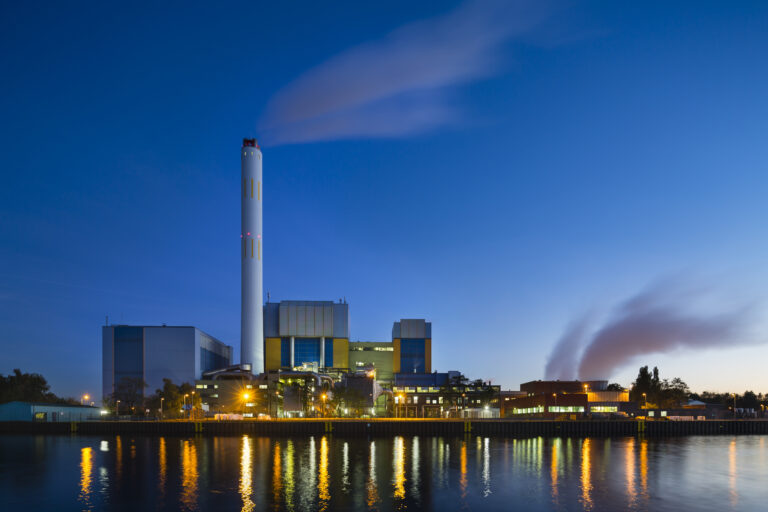
Biomass boilers operate under demanding conditions. Variable fuel quality, high combustion temperatures and the chemical composition of biomass ash all combine to degrade heat transfer surfaces faster than in conventional coal-fired plants. The result is reduced boiler efficiency, higher fuel consumption and, in the worst cases, unplanned shutdowns that cut into plant availability and revenue.
This guide walks you through a practical, step-by-step process to improve heat transfer efficiency in your biomass boiler systems. Each step builds on the last, from establishing your performance baseline to refining your long-term maintenance strategy.
Assess your current heat transfer baseline
Before you can improve anything, you need to know where you stand. Establishing a clear performance baseline gives you the reference point against which every subsequent improvement is measured. Without it, you cannot distinguish a genuine efficiency gain from normal operational variation.
- Record current steam output, flue gas exit temperatures and feed water temperatures under stable operating conditions. Do this across at least three representative operating shifts to account for fuel variability.
- Calculate your boiler efficiency using the indirect method: subtract all measurable heat losses from 100%. Key losses to quantify include unburned carbon in ash, dry flue gas losses and radiation losses.
- Log the frequency and duration of any unplanned shutdowns over the past six to twelve months and note which boiler zones were implicated.
- Document your current cleaning schedules, including which equipment is used, at what intervals and in which zones.
Once you have this data, you have a working baseline. Any flue gas exit temperature that is significantly higher than the design specification is a direct indicator of fouling reducing heat transfer. Keep this baseline accessible because you will return to it at the final step to validate your improvements.
Identify and map fouling hotspots in the boiler
Deposit build-up in biomass boilers is rarely uniform. The furnace alone accounts for approximately 50% of total heat transfer in a boiler, making it the highest-priority zone to assess. However, convective heating surfaces, superheaters and economisers are equally vulnerable to fouling, particularly when fuel composition shifts.
To map your fouling hotspots accurately, work through the boiler zone by zone:
- Furnace walls: Look for slagging on membrane wall surfaces. Heavy slag deposits reduce radiant heat absorption and, if they grow large enough to detach, can cause physical damage to the hopper area below.
- Superheater and reheater sections: These zones are prone to sticky, high-temperature deposits that bond to tube surfaces and are difficult to remove once hardened. Check tube surface temperatures against design values.
- Economiser: Cooler flue gases in this zone tend to carry fine particulate that accumulates as loose, powdery deposits. These are easier to remove but can still significantly impair heat transfer if left unaddressed.
- Air preheater: Condensation of acidic compounds at lower temperatures can cause both fouling and corrosion simultaneously in this zone.
Cross-reference your zone-by-zone inspection findings with your baseline flue gas temperature data. Zones where measured temperatures deviate most from design values are your primary fouling hotspots. Prioritise these in the next step.
Optimise on-load cleaning to restore heat transfer surfaces
On-load boiler cleaning is the most direct lever you have for restoring heat transfer efficiency without taking the plant offline. The goal is to match your cleaning approach to the deposit type and location identified in the previous step, rather than running all cleaning equipment on a fixed time-based schedule regardless of actual deposit conditions.
Match cleaning technology to deposit type
Different deposit types require different cleaning media and equipment. For heavy slagging on furnace walls, water-based cleaning systems deliver the thermal shock needed to fracture and dislodge hardened deposits. For loose, powdery deposits on convective surfaces such as superheaters and economisers, steam or air-based sootblowers are typically sufficient and avoid unnecessary thermal stress on tube surfaces.
- For furnace wall slagging: deploy water-based wall cleaning systems that can direct a targeted jet across the membrane wall surface in a controlled pattern.
- For superheater and reheater fouling: use retractable or part-retractable sootblowers that can reach into the tube banks and deliver cleaning medium directly to the deposit.
- For economiser deposits: oscillating or rotating sootblowers provide effective coverage across the wider tube arrangements typical in this zone.
Shift from time-based to demand-driven cleaning
A fixed cleaning schedule treats all operating conditions as identical, which they are not. When fuel quality varies, as it frequently does in biomass plants handling agricultural residues, woody biomass or refuse-derived fuel, deposit formation rates change accordingly. Demand-driven cleaning adjusts the timing and intensity of cleaning based on actual deposit conditions detected through sensor data and heat transfer monitoring.
To implement demand-driven cleaning, integrate your cleaning equipment controls with real-time boiler performance data. Set trigger thresholds based on measurable indicators such as rising flue gas exit temperatures or falling steam output at constant fuel input. When a threshold is crossed, the relevant cleaning sequence activates automatically rather than waiting for a scheduled cycle. This approach reduces unnecessary cleaning cycles, lowers steam consumption and extends the service life of cleaning equipment.
Tune combustion parameters to reduce deposit formation
Cleaning removes deposits that have already formed. Combustion tuning reduces the rate at which new deposits form in the first place. These two approaches work together: better combustion means your cleaning systems spend less time catching up and more time maintaining surfaces at or near their design condition.
- Optimise excess air levels: Too little excess air leads to incomplete combustion and increased unburned carbon in ash. Too much excess air lowers flame temperatures and increases flue gas volume, both of which affect deposit characteristics. Target the excess air level that achieves complete combustion with minimal thermal losses for your specific fuel mix.
- Adjust grate or bed parameters: In grate-fired biomass boilers, grate speed and air distribution under the grate directly influence how evenly fuel burns. Uneven combustion creates localised hot spots that accelerate slagging on nearby furnace walls.
- Monitor fuel moisture content: High moisture content in biomass fuel reduces flame temperature and increases the volume of flue gas, which changes deposit formation patterns. Where possible, pre-dry fuel or adjust combustion air to compensate for moisture variation.
- Review secondary air injection: Secondary air ports above the grate influence flame shape and temperature distribution in the upper furnace. Adjusting secondary air can reduce the concentration of hot combustion gases against specific wall sections prone to slagging.
After each adjustment, allow the boiler to stabilise for a full operating shift before evaluating the effect on deposit formation rates and flue gas temperatures. Small, incremental changes are easier to evaluate than large simultaneous adjustments.
Manage bottom ash handling to sustain boiler performance
Bottom ash handling is often treated as a separate operational concern from boiler efficiency, but the two are directly connected. If bottom ash is not removed efficiently and continuously, it accumulates in the hopper area, disrupts airflow patterns in the lower furnace and can cause clinker build-up that affects combustion stability and, by extension, heat transfer performance.
- Verify that your bottom ash extraction system operates continuously rather than in batch cycles. Batch extraction creates pressure fluctuations in the lower furnace that can disturb combustion air distribution.
- Check that your ash handling system can cope with the full range of ash quantities your fuel mix produces. Biomass fuels vary significantly in ash content, and a system sized for low-ash wood pellets may struggle when the plant switches to agricultural residues with higher ash yields.
- Inspect the hopper area regularly for clinker accumulation. Large clinker pieces that detach from furnace walls and fall into the hopper can jam mechanical ash extraction equipment, causing unplanned stoppages.
Dry bottom ash handling systems offer a practical advantage here: they remove ash at elevated temperatures without the need for water quenching, which eliminates the risk of steam generation in the hopper and reduces the volume of process water required. This also means the recovered ash retains more of its residual heat value, which can be recovered downstream.
Track efficiency gains and adjust your maintenance strategy
Return to the baseline data you collected in the first step and compare it against current operating data after implementing the changes above. Efficiency improvements in biomass boilers rarely appear overnight; expect to evaluate results over a period of several weeks to account for fuel variability and seasonal operating changes.
- Compare flue gas exit temperatures at equivalent load points before and after your cleaning and combustion optimisation changes. A measurable reduction confirms improved heat transfer across the relevant boiler zones.
- Track unplanned shutdown frequency over a rolling three-month period. A reduction in fouling-related shutdowns is a strong indicator that your on-load cleaning strategy is working.
- Review steam consumption by your sootblowing equipment. If demand-driven cleaning is functioning correctly, total steam used for sootblowing should decrease even as cleaning effectiveness improves.
- Adjust cleaning trigger thresholds based on what you observe. If certain zones are still showing elevated temperatures despite cleaning, lower the trigger threshold for that zone or increase cleaning intensity.
Treat your maintenance strategy as a living document rather than a fixed schedule. As the fuel mix changes, as equipment ages and as you accumulate operational data, the optimal cleaning frequencies, combustion settings and ash handling parameters will shift. Review your strategy at least quarterly and update it based on measured outcomes rather than assumptions.
How Clyde Bergemann supports biomass boiler efficiency
We have been developing and manufacturing on-load boiler cleaning solutions for around 100 years, with deep expertise in the specific challenges that biomass and waste-to-energy plants face. Our work covers the full range of boiler zones and deposit types described in this guide.
- Demand-driven cleaning with SMART Clean: Our SMART Clean platform moves beyond fixed cleaning schedules by responding to actual deposit conditions, reducing unnecessary cleaning cycles and steam consumption while maintaining heat transfer surfaces more effectively.
- Water-based furnace cleaning: We were among the first in the industry to apply water as a cleaning medium for furnace walls. Our SMART Cannon and Shower Cleaning System (SCS) deliver targeted, controlled cleaning for heavy slagging in biomass furnaces of all sizes.
- Full-zone sootblowing solutions: From retractable and part-retractable sootblowers for superheaters and reheaters to oscillating and rotating units for economisers, our equipment covers every application zone within the boiler.
- DRYCON dry bottom ash handling: Our DRYCON system handles bottom ash continuously under difficult operating conditions, including extreme temperatures and strongly fluctuating ash quantities, without requiring water for quenching.
- Controls and diagnostics: Our digital boiler controls integrate with cleaning equipment to enable intelligent, targeted cleaning based on real-time performance data.
Our Clyde Bergemann boiler efficiency solutions are used in biomass plants across more than 130 countries. If you want to discuss how these solutions apply to your specific plant configuration, we are happy to help. Get in touch to speak with one of our engineers.
Related Articles
- Can on-load cleaning systems reduce corrosion in waste boilers?
- Can on-load cleaning extend the lifespan of your boiler?
- 7 sootblower maintenance mistakes that shorten equipment service life
- Why legacy boiler cleaning solutions underperform in waste-to-energy plants
- How much downtime can a missing boiler cleaning system cause?