

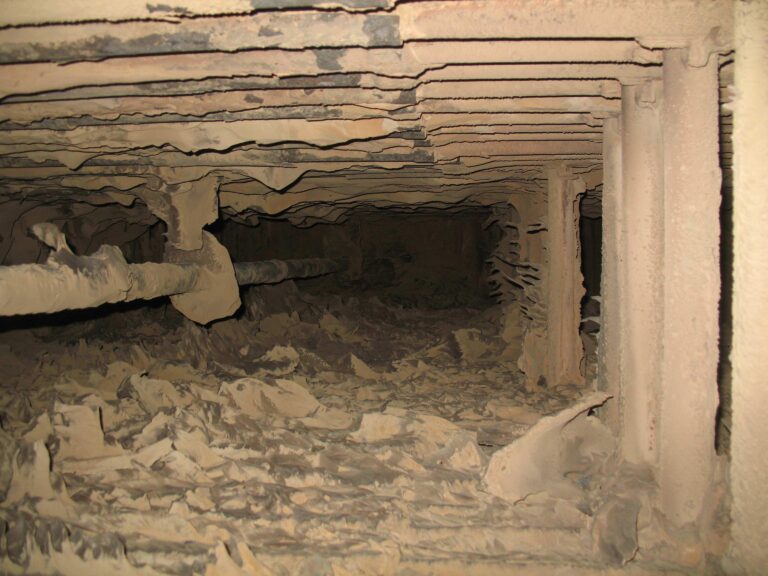
Slagging and fouling are two distinct types of deposit formation that occur inside industrial boilers, and understanding the difference matters for anyone responsible for keeping a boiler running efficiently. Slagging refers to molten or partially molten ash deposits that form in high-temperature zones, particularly in and around the furnace. Fouling describes the accumulation of ash and combustion byproducts on convective heating surfaces further downstream, where temperatures are lower. Both reduce heat transfer, increase fuel consumption, and can force unplanned shutdowns, but they form through different mechanisms and require different cleaning approaches. The sections below answer the most common questions about how these deposits develop, where they appear, and what you can do about them.
What causes slag to form inside industrial boilers?
Slag forms when ash particles in the combustion gas reach temperatures high enough to melt or soften, then stick to boiler surfaces before they can solidify and fall away. The key driver is the ash fusion temperature of the fuel being burned. When furnace temperatures exceed this threshold, ash transitions from a dry, powdery state into a viscous, adhesive material that bonds to membrane walls and other radiant surfaces. Once the first layer adheres, it insulates the surface, raises local temperatures further, and accelerates additional deposit growth.
Several factors influence how quickly and severely slag builds up:
- Ash composition: Fuels with high concentrations of iron, calcium, sodium, and potassium oxides tend to have lower ash fusion temperatures, making slag formation more likely at typical furnace operating conditions.
- Flame temperature and distribution: Uneven combustion, poor burner tuning, or high peak flame temperatures push local surface temperatures above the ash softening point in specific zones.
- Fuel variability: Switching between fuel types or burning mixed fuels changes the ash chemistry unpredictably, which can trigger slagging even in boilers that previously ran cleanly.
- Furnace geometry: Areas with reduced flue gas velocity or recirculation zones allow particles more contact time with surfaces, increasing the probability of adhesion.
In waste-to-energy and biomass boilers, slag formation is particularly aggressive because the fuel composition changes continuously. Municipal solid waste contains chlorine, alkali metals, and other compounds that lower ash melting points and promote sticky deposit layers that are difficult to remove once established.
What’s the difference between slagging and fouling in boilers?
The core distinction between slagging and fouling in boilers is temperature and deposit character. Slagging occurs in the radiant section of the furnace, where temperatures are high enough to melt ash. Fouling occurs in the convective passes, where temperatures are lower and deposits form through condensation, chemical reactions, and dry particle accumulation rather than melting. Slagging produces hard, glassy, or clinker-like deposits; fouling typically produces softer, powdery, or sintered layers, though both can harden over time if left untreated.
Slagging: high-temperature, radiant zone deposits
Slagging deposits are dominated by molten or partially molten ash that solidifies on contact with cooler tube surfaces. The resulting material is often dense, glassy, and strongly bonded to the metal. In severe cases, slag can bridge across tube gaps, restrict flue gas flow, and create mechanical stress on tube bundles. Removing established slag requires significant cleaning force; water cannons and wall blowers are commonly used in the furnace zone for this reason.
Fouling: low-temperature, convective zone deposits
Fouling deposits in the superheater, reheater, and economiser zones form through different mechanisms. Alkali sulfates and chlorides in the flue gas condense onto tube surfaces as temperatures drop. These compounds are chemically reactive and act as a binding agent, trapping fly ash particles and building up layer by layer. The result is a porous but increasingly dense deposit that progressively insulates the heat transfer surface. In biomass and waste-to-energy plants, the high alkali and chlorine content of the fuel makes convective fouling a persistent and serious challenge.
Which boiler zones are most vulnerable to slagging and fouling?
The furnace and lower radiant section are the primary zones for slagging, while the superheater and reheater are the most vulnerable areas for fouling. The economiser and air preheater are also susceptible to fouling, particularly when flue gas temperatures drop close to the acid dew point, which promotes condensation of sulfuric and hydrochloric acid compounds onto surfaces.
Breaking this down by zone:
- Furnace walls and membrane panels: Direct exposure to radiant heat and high-temperature combustion gases makes these surfaces the primary target for slag formation.
- Superheater and reheater tube banks: Operating at high steam temperatures but in a convective gas flow, these surfaces accumulate alkali sulfate and chloride fouling that is chemically bonded and difficult to dislodge.
- Economiser: Lower flue gas temperatures here mean deposits are typically softer and more powdery, but the large surface area means even thin fouling layers have a measurable impact on heat recovery.
- Air preheater and gas-gas heater: These downstream components are vulnerable to both particulate fouling and acid condensation, especially during low-load operation when flue gas temperatures fall.
How do slagging and fouling reduce boiler efficiency?
Both slagging and fouling reduce boiler efficiency by acting as thermal insulators on heat transfer surfaces. Deposits have significantly lower thermal conductivity than clean metal, so heat that should transfer from the combustion gas into the working fluid instead stays in the flue gas and exits through the stack. The result is higher flue gas exit temperatures, lower steam output for the same fuel input, and increased fuel consumption to maintain target output.
The efficiency impact compounds over time. A thin initial deposit layer reduces heat transfer modestly, but as the layer thickens it becomes increasingly effective as an insulator. In the furnace, heavy slagging also disrupts combustion aerodynamics, leading to incomplete combustion and higher carbon-in-ash values. In the convective passes, fouling raises the pressure drop across tube banks, increasing the energy demand on fans and reducing overall plant output.
Beyond efficiency losses, deposits accelerate corrosion. Alkali chloride deposits in particular create a chemically aggressive environment at the tube surface, promoting high-temperature corrosion that shortens tube life and increases the frequency of forced outages. For operators in waste-to-energy and biomass plants, this combination of efficiency loss and accelerated corrosion represents a significant operational and financial burden.
What fuel types make slagging and fouling worse?
Fuels with high alkali metal content, low ash fusion temperatures, or significant chlorine and sulfur concentrations make both slagging and fouling substantially worse. Municipal solid waste, agricultural biomass residues, and certain coals are among the most challenging fuels from a deposit management perspective.
Specific fuel characteristics that increase deposit risk include:
- High potassium and sodium content: Common in straw, agricultural waste, and municipal solid waste, alkali metals lower ash fusion temperatures and form sticky, low-melting-point compounds that promote slagging and convective fouling simultaneously.
- High chlorine content: Waste-derived fuels often contain significant chlorine from plastics, paper, and organic materials. Chlorine reacts with alkali metals to form alkali chlorides that deposit aggressively on superheater surfaces and drive high-temperature corrosion.
- Variable fuel composition: Mixed or co-fired fuels create unpredictable ash chemistry. A fuel blend that runs cleanly under one mix ratio may produce aggressive deposits when the ratio shifts, making deposit management more complex.
- High sulfur content: Sulfur promotes the formation of alkali sulfates in the convective zone and contributes to acid dew point corrosion in the economiser and air preheater.
- Low-grade or high-moisture biomass: Wet fuels require higher furnace temperatures to achieve complete combustion, which can push local temperatures above ash softening points and intensify slagging.
How is slagging in boilers detected and monitored?
Slagging and fouling in boilers are detected through a combination of process parameter monitoring, direct observation, and dedicated diagnostic systems. The most common early indicators are rising flue gas exit temperatures, falling steam temperatures at constant load, and increasing pressure drops across tube banks, all of which signal that heat transfer surfaces are becoming insulated by deposits.
More advanced monitoring approaches include:
- Heat flux sensors: Installed in the furnace walls, these sensors measure the rate of heat transfer through the membrane panels in real time. A declining heat flux reading at a specific location indicates local deposit buildup and allows targeted cleaning rather than blanket cleaning cycles.
- Acoustic soot detection: Acoustic systems use sound transmission through the furnace to detect changes in deposit distribution, providing spatial information about where deposits are forming.
- Infrared and optical cameras: Inspection ports fitted with cameras allow operators to visually assess slag formation in the furnace without taking the unit offline.
- Process data analysis: Continuous monitoring of steam temperatures, flue gas temperatures, and pressure differentials across individual tube banks provides a running picture of deposit accumulation across all boiler zones.
Demand-driven cleaning systems take this monitoring a step further by using real-time sensor data to trigger cleaning only when and where deposits have actually formed, rather than running cleaning equipment on fixed time intervals. This approach reduces cleaning medium consumption, lowers wear on cleaning equipment, and ensures that heavily fouled areas receive attention before efficiency losses become severe.
How Clyde Bergemann Helps You Manage Boiler Deposits
Managing slagging and fouling effectively requires more than the right cleaning equipment; it requires a system designed around your specific fuel, boiler geometry, and operating conditions. We have been developing on-load boiler cleaning solutions for more than 60 years, and our portfolio covers every zone where deposits form, from the furnace to the economiser and air preheater.
- Targeted furnace cleaning: Our water-based cleaning systems, including the SMART Cannon and Shower-Clean System, remove slag from furnace walls and empty passes without taking the boiler offline, using precisely controlled water jets to reach deposits where they form.
- Convective pass cleaning: Retractable, oscillating, and rake sootblowers address fouling in superheater, reheater, and economiser zones, with solutions matched to flue gas temperatures and deposit characteristics at each location.
- Demand-driven cleaning with SMART Clean: Rather than running on fixed schedules, our SMART Clean approach uses real-time sensor data and boiler diagnostics to clean only when and where deposits require it, reducing cleaning medium consumption and extending equipment life.
- Fuel flexibility support: Our systems are designed to handle variable fuel compositions, making them well suited to waste-to-energy and biomass plants where fuel quality and mix change frequently.
- Comprehensive service and spare parts: We support installed systems with inspection, maintenance, and rapid spare parts supply, because cleaning equipment operating under extreme thermal and mechanical stress needs reliable backup.
If you are dealing with persistent deposit problems or want to understand whether your current cleaning setup is matched to your actual operating conditions, our team is available to help. Explore our boiler efficiency solutions or get in touch to discuss your specific situation with one of our engineers.
Related Articles
- The future of boiler cleaning technology and what engineers need to know
- 7 industries where on-load boiler cleaning delivers the fastest efficiency gains
- How do you know if your current boiler cleaning system is underperforming?
- How does slagging in waste-to-energy boilers affect plant availability?
- How much efficiency does a fouled boiler lose?