

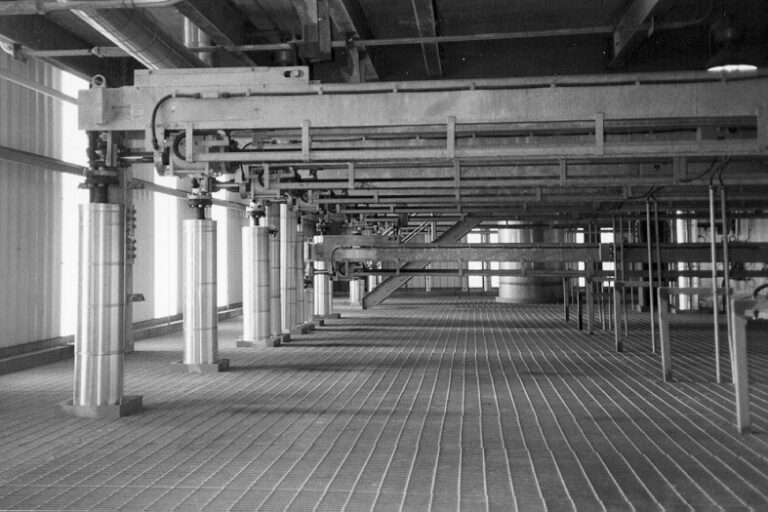
On-load boiler cleaning keeps heat transfer surfaces free of deposits while the plant continues to operate at full capacity. Unlike offline cleaning, which requires a planned shutdown, on-load systems work continuously during normal operation, preventing fouling from accumulating to the point where it forces an unplanned outage. The efficiency gains this delivers vary significantly by industry, because each combustion environment produces a different deposit profile, a different fouling rate and a different set of consequences when cleaning is delayed. The seven industries below represent the applications where on-load boiler cleaning consistently delivers the fastest and most measurable improvements.
Where on-load cleaning creates the biggest operational impact
Deposit build-up on heating and reaction surfaces is the single most common cause of reduced boiler efficiency across all combustion-based industries. The furnace alone accounts for roughly 50% of total heat transfer in a boiler, which means even moderate fouling in that zone has a disproportionate effect on overall output. On-load boiler cleaning systems address this by removing deposits in real time, before they harden, insulate or cause corrosion. The industries listed here share one characteristic: fouling happens fast, and the cost of waiting for a scheduled outage is too high to accept.
1: Waste-to-energy plants with aggressive fouling cycles
Waste-to-energy boilers operate on the most chemically aggressive fuel mix of any combustion application. Municipal solid waste contains chlorine, heavy metals and moisture levels that shift from load to load, producing sticky, corrosive deposits on furnace walls and empty passes that build up faster than in almost any other boiler type. Left unaddressed, these deposits reduce heat transfer, accelerate corrosion and can trigger unplanned shutdowns within days rather than weeks.
On-load cleaning in waste-to-energy plants typically combines water-based furnace cleaning with sootblowing in the convective passes. Shower cleaning systems mounted on the boiler roof lower into the furnace and empty passes, spraying water in a continuous 360-degree pattern that removes fouling without requiring the unit to go offline. Wall blowers using steam handle the membrane wall surfaces where slagging is less severe. The combination of technologies is matched to the specific deposit distribution, which tends to be uneven due to the variable nature of the fuel.
Waste-to-energy facilities benefit more from on-load cleaning than almost any other application because the fouling cycle is so short. Plants that have implemented continuous cleaning systems report extended boiler availability and reduced corrosion rates, both of which translate directly into lower maintenance costs and more predictable output schedules.
2: Biomass-fired boilers handling high-alkali fuels
Biomass fuels, particularly agricultural residues and wood waste, contain high concentrations of potassium and sodium. These alkali compounds vaporise during combustion and condense on cooler heating surfaces as sticky, low-melting-point deposits that are difficult to remove once they harden. The problem intensifies when fuel quality varies, which is common in biomass operations that source material from multiple suppliers or switch between fuel types seasonally.
Retractable sootblowers are the standard tool for convective pass cleaning in biomass boilers, with travel lengths and nozzle configurations selected to match the specific geometry of the superheater and economiser sections. For furnace cleaning, water-based systems handle the heavier slagging on membrane walls. Rapping systems offer an additional option for heating surfaces and economisers in facilities running varying fuels, removing loose deposits without requiring steam or compressed air as a cleaning medium, which reduces ongoing maintenance costs.
The key operational advantage in biomass applications is the ability to maintain cleaning intensity when fuel quality drops. On-load systems can be adjusted from the control room in response to changing deposit rates, giving operators direct control over boiler efficiency without interrupting generation.
3: Coal-fired power stations with variable load demands
Coal-fired power stations face a fouling challenge that has grown more complex as grid demands shift. Plants that once ran at steady baseload now cycle frequently, moving between part-load and full-load operation in response to renewable intermittency. Variable load operation changes combustion temperatures and flue gas velocities, which alters where deposits form and how quickly they accumulate. Slagging patterns that were predictable under steady-state conditions become harder to manage under flexible operation.
On-load sootblowing in coal-fired boilers covers the full range of heating surfaces, from furnace walls cleaned with water cannons or wall blowers to superheaters, reheaters and air preheaters cleaned with retractable sootblowers. Intelligent cleaning platforms that monitor deposit build-up in real time and trigger cleaning only when and where it is needed have become increasingly valuable in variable-load environments, because they avoid both under-cleaning and the steam consumption associated with unnecessary sootblowing cycles.
Power generation efficiency in coal plants is directly tied to the cleanliness of heat transfer surfaces. Maintaining those surfaces on-load, rather than waiting for scheduled outages, is one of the most straightforward ways to protect output capacity and reduce fuel consumption per megawatt-hour generated.
4: Industrial process boilers in oil and gas facilities
Fired heaters and process boilers in oil and gas facilities handle flue gases that contain sulphur compounds, heavy hydrocarbons and particulates depending on the feedstock being processed. Fouling in these units reduces heat transfer efficiency and can create hot spots that accelerate tube degradation. Because process continuity is a priority in refinery and petrochemical environments, any cleaning approach that requires a shutdown carries significant operational and financial consequences.
Retractable sootblowers are widely used in fired heaters across the petrochemical industry, with configurations suited to the longer travel distances and high flue gas temperatures typical of these units. The ability to clean during operation means that heat transfer performance can be maintained without interrupting the process stream, which is particularly valuable in continuous-process facilities where even a brief outage affects downstream operations.
Industrial boiler maintenance in oil and gas settings also benefits from the reduced steam consumption that comes with demand-based cleaning control. Rather than running fixed cleaning cycles, operators can respond to actual deposit conditions, reducing both the cleaning medium used and the wear on sootblower components.
5: Marine boilers operating on heavy fuel oil
Marine boilers burning heavy fuel oil produce flue gases with high vanadium and sulphur content. Vanadium pentoxide deposits are particularly damaging because they form low-melting-point compounds that bond strongly to superheater tubes and are corrosive at elevated temperatures. The confined space of a ship’s boiler room and the continuous operational demands of a vessel at sea make offline cleaning impractical for anything other than scheduled dry-dock maintenance.
On-load sootblowing has been used in marine applications for decades, with the technology evolving from simple fixed blowers to retractable systems capable of reaching deep into convective passes. The installation of sootblowers on large container vessels demonstrates how the technology scales to meet the demands of high-output marine propulsion systems. Keeping heating surfaces clean on heavy fuel oil reduces fuel consumption, which is a significant operating cost on long-haul routes.
Marine operators benefit from on-load cleaning primarily through fuel savings and extended intervals between dry-dock cleaning operations. Both outcomes reduce the total cost of ownership for the boiler system over the vessel’s service life.
6: District heating plants with seasonal peak demands
District heating plants face a specific operational pattern: low or zero output during summer months followed by rapid ramp-up as heating demand rises in autumn and winter. This seasonal cycling means that deposits formed during low-load summer operation can harden and become more difficult to remove by the time the plant needs to run at full capacity. Entering a peak demand period with fouled heating surfaces directly limits the plant’s ability to meet its supply obligations.
On-load cleaning systems in district heating applications are particularly valuable during the transition periods when load is increasing rapidly. Maintaining clean heat transfer surfaces from the start of the heating season ensures that the plant reaches its rated output without the efficiency penalty that fouling would otherwise impose. For plants burning biomass or waste-derived fuels, the deposit management challenge is compounded by the fuel characteristics described in earlier sections.
The operational simplicity of modern on-load cleaning systems, including straightforward control room integration and automated cleaning sequences, suits the staffing levels typical of district heating operations, where a small team is responsible for the full plant.
7: Pulp and paper recovery boilers with smelt deposits
Recovery boilers in pulp and paper mills burn black liquor, a byproduct of the kraft pulping process that contains sodium and potassium compounds. These compounds form hard, dense deposits on superheater and boiler bank tubes that reduce heat transfer and can cause tube failures if allowed to accumulate. The smelt bed at the base of the furnace adds a further complication, as water contact with smelt creates a risk of explosion, which constrains the cleaning methods that can be used safely in the lower furnace.
Sootblowing in recovery boilers focuses on the upper furnace and convective passes, where retractable sootblowers remove deposits from superheater and generating bank surfaces. The cleaning programme must be carefully managed to avoid dislodging large deposit masses that could damage the smelt bed or cause tube erosion. Demand-based cleaning control, which adjusts cleaning intensity based on actual deposit conditions rather than fixed time intervals, is particularly useful in recovery boilers because the deposit rate varies with black liquor solids content and firing rate.
Recovery boiler availability is directly tied to the pulp mill’s production output, which makes on-load cleaning one of the most operationally important maintenance investments a mill can make. Keeping the boiler running efficiently and avoiding unplanned outages protects the entire production chain, not just the energy generation side of the operation.
Matching cleaning technology to your industry’s deposit profile
The seven industries above share the same underlying problem, but the deposit characteristics, fouling rates and operational constraints differ enough that no single cleaning technology suits all of them equally well. Selecting the right on-load boiler cleaning system starts with understanding the deposit profile specific to your fuel and combustion conditions.
- Sticky, corrosive deposits from waste or high-chlorine fuels respond best to water-based cleaning systems that can remove fouling before it hardens and bonds to tube surfaces.
- High-alkali deposits from biomass fuels require cleaning systems that can be adjusted in response to fuel quality changes, with rapping systems offering a low-maintenance option for loose deposits in the convective passes.
- Hard, dense deposits from heavy fuel oil or black liquor call for retractable sootblowers with sufficient travel and nozzle pressure to break through compacted fouling layers.
- Variable-load operation in coal or district heating plants benefits most from intelligent cleaning platforms that respond to actual deposit conditions rather than fixed schedules.
The cleaning medium matters too. Steam-based sootblowing is well established and effective across a wide range of applications, but it consumes steam that could otherwise contribute to generation output. Water-based systems avoid this trade-off but require careful management in environments where water contact with hot surfaces or smelt poses a safety risk. Air-based systems offer an alternative where neither steam nor water is appropriate.
Matching the technology to the deposit profile, rather than selecting the lowest-cost option at the time of installation, is what determines whether a cleaning system delivers long-term efficiency gains or becomes a source of ongoing maintenance problems. The industries with the fastest efficiency gains from on-load cleaning are precisely those where the deposit profile is most aggressive and the cost of fouling is highest.
How Clyde Bergemann supports on-load boiler cleaning across industries
We work with plant operators across all seven of the industries described above, providing on-load boiler cleaning systems matched to the specific deposit conditions and operational requirements of each application. Our approach is based on more than a century of engineering experience in boiler efficiency, and our product range covers the full spectrum of cleaning technologies, from water cannons and shower cleaning systems to retractable sootblowers and intelligent cleaning platforms.
- Water-based furnace cleaning systems for waste-to-energy and biomass plants, including the SMART SCS shower cleaning series for furnace and empty pass cleaning
- Retractable sootblowers for superheater, reheater and economiser cleaning across power generation, marine and industrial process applications
- Rapping systems for facilities with varying fuels and loose deposits, requiring no steam or compressed air as a cleaning medium
- Intelligent cleaning control platforms that adjust cleaning intensity based on real-time deposit monitoring, reducing steam consumption and component wear
- Global service support and engineering expertise in over 130 countries, with experienced engineers available for inspection, commissioning and maintenance
If you are evaluating cleaning options for your plant or looking to improve the performance of an existing system, our Clyde Bergemann boiler efficiency solutions provide a starting point for understanding what is available and how it applies to your specific situation. For a more direct conversation about your plant’s deposit profile and cleaning requirements, you are welcome to get in touch with our engineering team.
Related Articles
- Why reactive sootblowing strategies are failing modern industrial boilers
- What happens when a boiler cleaning system fails mid-operation?
- What is the link between boiler cleanliness and steam output?
- Should you clean a boiler while it is running or during shutdown?
- How does slagging in waste-to-energy boilers affect plant availability?