

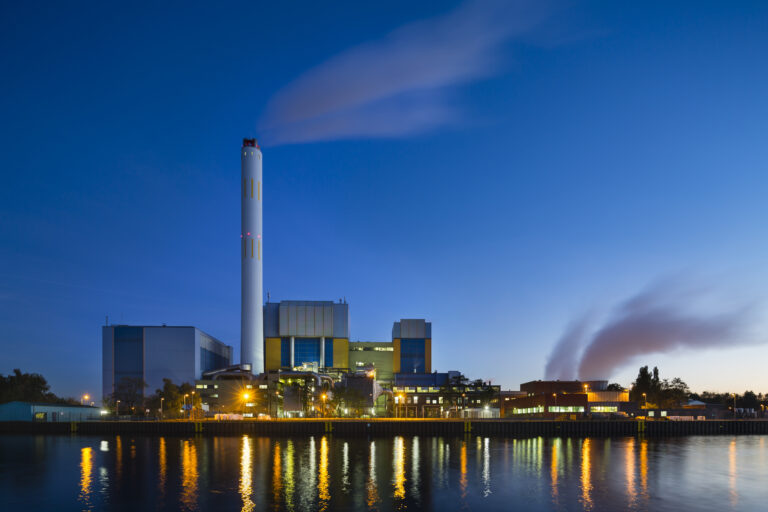
Biomass fuel type directly affects boiler cleaning requirements because different fuels produce ash with distinct chemical compositions, melting behaviours and deposit structures. Woody biomass, agricultural residues and mixed waste streams each create fouling patterns that vary in severity, location and how resistant they are to removal. Understanding these differences helps plant operators select the right cleaning strategy and avoid costly unplanned shutdowns.
Which biomass fuel types cause the most severe boiler fouling?
Agricultural residues and high-chlorine biomass fuels, such as straw, energy crops and certain waste-derived fuels, cause the most severe boiler fouling. These fuels produce ash that is chemically aggressive and prone to forming sticky, hard deposits on furnace walls and convective heating surfaces. Woody biomass generally produces less problematic ash, though it is not free from fouling challenges.
The severity of fouling depends on how much alkali material, primarily potassium and sodium, is present in the fuel. Agricultural residues are particularly rich in potassium, which reacts with chlorine and sulphur during combustion to form compounds that condense on cooler surfaces and bond tenaciously to tube walls. Refuse-derived fuel (RDF) and municipal solid waste (MSW) introduce additional complexity because their composition varies from load to load, making deposit behaviour harder to predict.
Woody biomass, by contrast, tends to have lower alkali and chlorine content, which means deposits are generally less sticky and easier to remove. However, co-firing woody biomass with other fuels or switching between fuel sources can shift fouling behaviour significantly, which is why biomass plant operators need cleaning systems that adapt to changing conditions rather than following a fixed schedule.
How does ash chemistry in biomass fuels affect deposit formation?
Ash chemistry determines whether deposits remain loose and powdery or become hard, fused slag that bonds to heating surfaces. The key chemical drivers are alkali metals (potassium and sodium), chlorine and sulphur. When these elements combine at combustion temperatures, they form low-melting-point compounds that condense on superheater tubes and furnace walls, creating sticky layers that trap further particles and grow into thick, insulating deposits.
Potassium chloride and potassium sulphate are among the most problematic compounds formed in biomass combustion. They deposit at relatively low temperatures compared to coal ash, which means fouling can occur further along the flue gas path, including on economisers and air preheaters, not just in the high-temperature furnace zone. This extended fouling range means that effective cleaning must address multiple boiler zones, not just the furnace.
Silica content also plays a role. Fuels with high silica, such as rice husks or certain agricultural straws, can form glassy, vitrified deposits that are particularly resistant to mechanical or steam-based cleaning. The interaction between silica and alkali compounds can produce low-viscosity melts that spread across tube surfaces before solidifying into hard slag. Understanding the specific ash chemistry of the fuel being burned is therefore a practical starting point for designing an appropriate cleaning regime.
What cleaning methods are used for biomass boilers?
Biomass boilers use a combination of water-based, steam-based and mechanical cleaning methods, with the right choice depending on the boiler zone, deposit type and fuel characteristics. No single method suits every situation: effective cleaning typically involves multiple technologies applied across different areas of the boiler.
Furnace and empty pass cleaning
In the furnace, where temperatures are highest and slagging is most intense, water-based cleaning systems are particularly effective. Advanced furnace cleaning technology uses a precisely controlled water jet that traces a meander-shaped pattern across the furnace walls, delivering targeted cleaning to areas where deposits accumulate. Shower-clean systems mounted on the boiler roof lower a nozzle into the furnace and empty passes, spraying water in a continuous 360-degree pattern to dislodge fouling across the full wall surface. For membrane wall heating surfaces, wall blowers using steam as the cleaning medium remain a well-established option.
Convective surface and economiser cleaning
Further along the flue gas path, retractable sootblowers and rake sootblowers use steam or air to clean superheaters, reheaters and economisers. For deposits that are loose and dry, rapping systems offer a cleaning medium-free alternative: mechanical impulses dislodge material without requiring steam or water, which reduces maintenance demands and operating costs. Part-retractable sootblowers can combine steam or air with water for more stubborn deposits in economiser sections.
Demand-driven cleaning, where the system responds to actual deposit conditions rather than a fixed time schedule, is increasingly recognised as the most efficient approach. By monitoring deposit build-up and triggering cleaning only when and where it is needed, operators reduce steam consumption, protect tube surfaces from unnecessary thermal stress and extend the intervals between planned maintenance outages.
How does fuel variability affect cleaning frequency and scheduling?
Fuel variability is one of the most significant operational challenges for biomass boiler cleaning. When fuel composition changes, whether due to seasonal variation in agricultural residues, shifts in waste stream quality or deliberate co-firing with different biomass types, deposit formation rates and deposit chemistry change with it. A cleaning schedule calibrated for one fuel may be inadequate or excessive for another.
Plants burning a consistent, well-characterised fuel can operate with relatively predictable cleaning intervals. Plants that regularly switch between fuel types or accept variable-quality inputs face a more complex situation. Deposits may form faster during periods of high-alkali fuel combustion and more slowly when cleaner woody biomass dominates. If cleaning frequency does not adjust accordingly, operators risk either under-cleaning, allowing deposits to harden and reduce heat transfer, or over-cleaning, which wastes steam and accelerates tube wear.
Intelligent, demand-driven cleaning systems address this directly. By integrating sensor data and boiler performance indicators, these systems adjust cleaning activity in real time to match the actual deposit situation. This flexibility is particularly valuable for plants operating with varying fuel mixtures, as it removes the need to manually recalibrate cleaning schedules every time the fuel input changes.
What happens if biomass boiler cleaning is inadequate?
Inadequate boiler cleaning in biomass plants leads to a progressive deterioration in performance that, if left unaddressed, results in unplanned shutdowns, accelerated corrosion and reduced energy output. The consequences are both operational and financial, and they compound over time.
Deposit build-up on heating surfaces acts as an insulating layer, reducing the rate of heat transfer from flue gases to the working fluid. As deposits thicken, boiler efficiency falls and more fuel must be burned to maintain the same steam output. This directly increases operating costs and CO₂ emissions per unit of energy produced.
Beyond efficiency losses, inadequate cleaning accelerates corrosion. Chlorine-rich deposits in particular create a chemically aggressive environment at the tube surface, promoting under-deposit corrosion that weakens tube walls over time. If large clinker formations are allowed to develop, particularly in the furnace, they can break away suddenly and fall into the hopper area, causing physical damage to components that are difficult and expensive to repair.
The most serious outcome is an unplanned shutdown. Forced outages in waste-to-energy and biomass plants disrupt waste processing contracts, interrupt district heat supply and generate significant revenue losses. Regular, well-targeted cleaning is not simply a maintenance task; it is a core part of keeping the plant available and productive throughout its operating life.
How Clyde Bergemann supports biomass boiler efficiency
We have spent more than 100 years developing on-load cleaning solutions for boilers operating across a wide range of fuels and conditions. For biomass and waste-to-energy plants, we offer a portfolio of technologies specifically designed to address the fouling challenges described above, from aggressive alkali-driven slagging in the furnace to stubborn deposits on convective surfaces and economisers.
- Water-based furnace cleaning: Our SMART Helix Water and Shower-Clean systems deliver targeted, controlled cleaning in furnaces of all sizes, removing heavy slagging without requiring steam.
- Steam and air sootblowers: Our retractable, rake and oscillating sootblowers cover superheaters, reheaters and economisers, with configurations suited to the specific deposit types produced by different biomass fuels.
- Rapping systems: For facilities with varying fuels and loose deposits, our rapping systems clean heating surfaces and economisers without any cleaning medium, reducing maintenance costs and operational complexity.
- Demand-driven SMART Clean technology: Our intelligent controls platform adjusts cleaning activity to actual deposit conditions, making it particularly effective for plants operating with variable fuel mixtures or changing fuel quality.
- Flexible operation support: Our systems are designed to maintain boiler availability and efficiency even as fuel inputs shift, a practical advantage for plants that co-fire or accept variable-quality biomass streams.
Our Clyde Bergemann boiler efficiency solutions are in operation at biomass and waste-to-energy plants across Europe and beyond, supporting operators who need reliable, adaptable cleaning systems for demanding fuel environments. If you would like to discuss the specific fouling challenges at your plant, we welcome you to get in touch.
Related Articles
- Why unplanned boiler downtime costs more than most plant managers realize
- How do you measure the cleaning effectiveness of a boiler sootblower?
- How does boiler cleaning reduce fuel consumption and emissions?
- How much efficiency does a fouled boiler lose?
- How regular boiler cleaning reduces unplanned shutdowns