

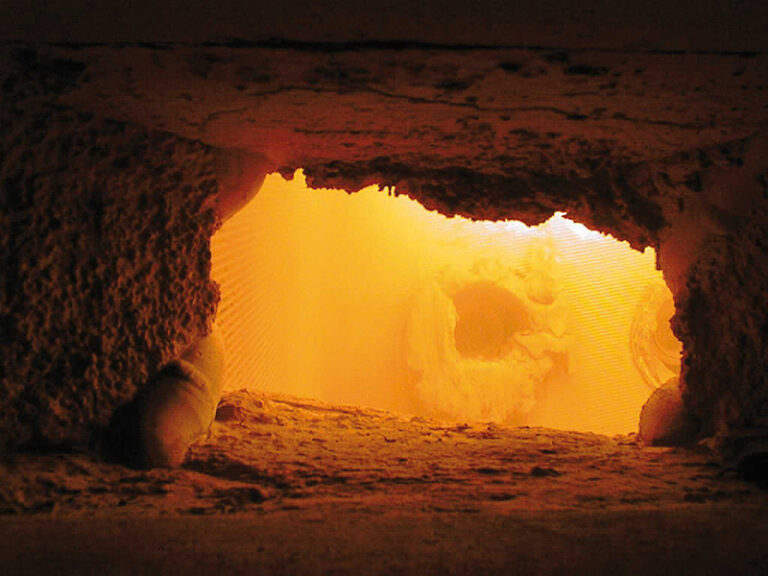
Your boiler likely needs more frequent soot cleaning when you notice a measurable drop in steam output or flue gas temperatures rising above normal operating ranges without a change in fuel input. These are the earliest and most reliable indicators that deposit buildup is reducing heat transfer efficiency. The sections below walk through the specific warning signs, the role of fuel type, the mechanics of deposit formation and how to decide whether to adjust your cleaning intervals or upgrade your system entirely.
What are the warning signs of excessive fouling in a boiler?
The clearest warning signs of excessive boiler fouling are rising flue gas exit temperatures, declining steam production at constant fuel input and increasing pressure drop across heating surfaces. These changes indicate that deposits are insulating heat transfer surfaces and forcing the boiler to work harder to achieve the same output. Left unaddressed, fouling accelerates corrosion and raises the risk of unplanned shutdowns.
In practice, the signs tend to appear in a predictable sequence. First, you will see flue gas temperatures creeping upward at the economiser outlet. This happens because deposits act as a thermal barrier, preventing heat from transferring into the water or steam circuit. The boiler compensates by burning more fuel, which drives up operating costs before any alarm is triggered.
As fouling progresses, you may observe:
- Reduced steam pressure or temperature at constant load
- Increased fuel consumption to maintain target output
- Clinker formations or slag bridges visible through inspection ports
- Uneven temperature distribution across the furnace cross-section
- Higher CO or unburned carbon readings, indicating disrupted combustion patterns
In waste-to-energy and biomass plants, deposits tend to distribute unevenly across heating surfaces due to the variable composition of the fuel. This means a single temperature sensor may not capture the full picture. Operators who rely solely on fixed-point measurements often underestimate the extent of fouling until it has already caused efficiency losses or, in more serious cases, structural damage to the hopper area from falling clinker.
How does fuel type affect how often a boiler needs soot cleaning?
Fuel type is one of the strongest determinants of boiler cleaning frequency. Fuels with high ash content, chlorine, alkali metals or moisture produce deposits that form faster and adhere more aggressively to heating surfaces. Waste-to-energy and biomass fuels are particularly demanding in this respect, often requiring significantly shorter cleaning intervals than coal or natural gas.
Municipal solid waste contains a highly variable mix of organic material, plastics, metals and moisture. This variability produces combustion conditions that shift from one hour to the next, generating deposits with inconsistent composition and adhesion properties. Sticky, chlorine-rich deposits form at lower flue gas temperatures and bond strongly to superheater tubes, making them difficult to remove with standard steam blowing cycles.
Biomass fuels introduce their own challenges. Agricultural residues and wood waste often carry high potassium and silica content, which promotes the formation of hard, glassy slag on furnace walls and superheater surfaces. The deposit formation rate in a biomass boiler can be several times higher than in a comparable coal-fired unit, particularly when fuel quality varies between deliveries.
When plants switch fuels or blend fuel streams, the cleaning intervals that worked under the original design conditions may no longer be adequate. A cleaning schedule calibrated for one fuel type can leave surfaces dangerously fouled when a higher-ash or higher-alkali fuel is introduced, even temporarily. This is why demand-driven cleaning approaches, which respond to actual deposit conditions rather than fixed time intervals, are particularly relevant in facilities operating with variable or mixed fuel inputs.
What causes slagging and fouling to get worse over time?
Slagging and fouling worsen over time primarily because deposits are self-reinforcing. Once a thin layer forms on a heat transfer surface, it lowers the local surface temperature, which encourages further condensation and adhesion of ash particles. Each new layer makes the next one more likely, and the deposit grows in thickness and density faster than a linear rate would suggest.
Several factors accelerate this progression:
- Thermal cycling: Repeated heating and cooling causes deposits to crack and re-fuse, creating a harder, more adherent structure that resists cleaning
- Chemical reactions within the deposit: Sulphates, chlorides and alkali compounds react with each other and with the tube surface over time, forming corrosive compounds that attack the base metal and anchor the deposit more firmly
- Inadequate or infrequent cleaning: When cleaning cycles are too long, deposits harden between cycles and become progressively more difficult to remove with the same cleaning energy
- Changes in operating load: Flexible operation with frequent load changes alters flue gas velocity and temperature profiles, shifting where deposits accumulate and making existing cleaning patterns less effective
Corrosion is both a consequence and a cause of worsening fouling. Deposits that contain chlorine or sulphur compounds attack the tube surface beneath them, creating a rougher surface that traps more particles. Over time, this interaction between deposit chemistry and surface degradation can reduce tube wall thickness to the point where replacement becomes necessary, turning a cleaning problem into a capital expenditure.
How do you measure heat transfer loss from boiler deposits?
Heat transfer loss from boiler deposits is measured by tracking the difference between expected and actual flue gas temperatures at key points in the boiler, combined with monitoring of steam output and fuel consumption. A rising flue gas exit temperature at constant load is the most direct indicator that deposits are reducing heat transfer efficiency across the heating surfaces.
The standard approach involves establishing a clean baseline, typically after a planned outage and inspection, and then tracking deviations from that baseline during operation. Key measurement points include:
- Flue gas temperature at the furnace exit and economiser outlet
- Steam temperature and pressure at the superheater outlet
- Fuel consumption per unit of steam or electricity produced
- Pressure drop across individual heating surface banks
More advanced approaches use heat flux sensors installed directly on boiler walls to measure the rate of heat transfer in real time. These sensors detect localised fouling that temperature measurements at the flue gas outlet may miss entirely, because a heavily fouled section can be masked by cleaner areas nearby. Flux sensor data allows operators to identify exactly where deposits are forming and direct cleaning effort to those specific zones rather than running a uniform cleaning cycle across the entire boiler.
Calculating the efficiency loss in percentage terms requires comparing actual heat recovery against the theoretical maximum for the fuel being burned. Even a modest deposit layer of a few millimetres can reduce local heat transfer rates substantially, because the thermal conductivity of ash deposits is far lower than that of clean metal. Tracking this over time gives maintenance teams the data they need to justify changes to cleaning frequency or cleaning technology.
When should cleaning frequency be increased versus the cleaning system upgraded?
Increase cleaning frequency when deposit formation has accelerated due to a change in fuel, load profile or operating conditions but the existing cleaning equipment can still remove deposits effectively when applied more often. Consider a system upgrade when the cleaning equipment can no longer remove deposits even at maximum frequency, when deposits are forming in zones the current system cannot reach or when the cleaning medium itself is causing secondary problems such as tube erosion or excessive steam consumption.
The distinction matters because increasing frequency is a low-cost, low-risk adjustment, while upgrading the cleaning system requires capital investment and planning. Before committing to either, it is worth diagnosing the root cause of the fouling increase. If a new fuel blend is the driver, the solution may be as simple as adding cleaning cycles during the periods when that fuel is in use. If the boiler has been operating for many years with the same system and deposit patterns have gradually shifted, the original system design may simply no longer match the actual fouling distribution.
Signs that an upgrade is warranted rather than a frequency adjustment include:
- Deposits remaining after cleaning cycles, visible during inspections
- Clinker formations in zones where the current system has no coverage
- Tube erosion caused by excessive blowing pressure or frequency with steam-based systems
- High steam or compressed air consumption from the cleaning system, reducing overall plant efficiency
- Inability to maintain target steam parameters even with cleaning running at maximum frequency
In some cases, the answer is not more cleaning but smarter cleaning. Demand-driven systems that respond to actual deposit conditions, rather than running on a fixed schedule, can reduce both the total number of cleaning cycles and the associated wear on tubes and cleaning equipment. This approach is particularly relevant in plants with variable fuel inputs, where deposit formation rates change frequently and a fixed schedule will always be either too aggressive or too conservative for current conditions.
How Clyde Bergemann supports better boiler cleaning decisions
We have been developing and manufacturing on-load boiler cleaning solutions for around 100 years, with a product range that covers every zone of the boiler and every type of deposit, from light ash in economisers to heavy slagging on furnace walls. Our experience across waste-to-energy, biomass and power generation plants gives us a practical understanding of how fouling behaviour changes with fuel type, load profile and plant age.
What we offer goes beyond hardware. Our approach is built around matching the right cleaning technology to the actual deposit situation in your plant:
- Demand-driven SMART Clean systems that respond to real deposit conditions rather than fixed schedules, reducing unnecessary cleaning cycles and tube wear
- Heat flux sensors and controls and diagnostics technology that identify exactly where deposits are forming, so cleaning effort is directed where it is needed
- A full range of cleaning equipment, including retractable sootblowers, water cannons, shower-clean systems and rapping systems, suited to different boiler zones and deposit types
- Cleaning solutions that require neither steam nor compressed air as a cleaning medium, lowering maintenance costs and reducing dependency on auxiliary systems
- Global service support, spare parts availability and on-site inspection to keep systems running under demanding operating conditions
If you are seeing the warning signs described in this article and want to assess whether your current cleaning intervals and equipment are still matched to your plant’s actual fouling behaviour, our team is available to help. You can explore our Clyde Bergemann boiler efficiency solutions or get in touch to discuss your specific situation with one of our engineers.
Related Articles
- How do sensor-based cleaning systems improve boiler performance?
- How much downtime can a missing boiler cleaning system cause?
- Why on-load cleaning systems are key to continuous boiler operation
- Should you clean a boiler while it is running or during shutdown?
- The hidden cost of boiler fouling in industrial plants